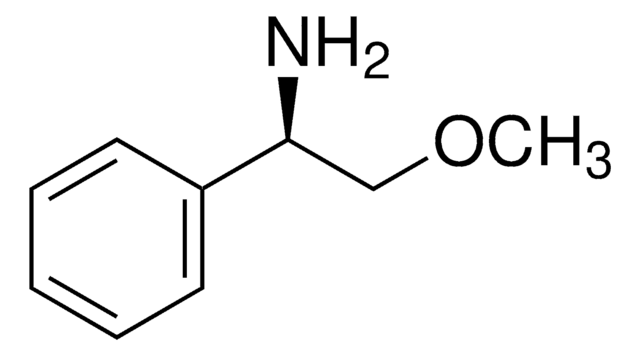

Ω-nitrostyrene is added to the previously prepared lithium aluminum hydride in ether while stirring. This results in an alcoholate precipitate, which thickens the solution requiring more ether to be added. Finally, using acid hydrolysis the metal alcoholate is decomposed and the product can be isolated and extracted from the ether. People taking MAO inhibitors, which are used for treating depression, anxiety, and other neurological illnesses like Parkinson’s, or those that have a condition known as phenylketonuria (PKU) should not take phenethylamine.
Figure 8
Phenylethylamines are also generally found to be central nervous system stimulants with many also being entactogens/empathogens, and hallucinogens. Street names for some phenethylamines include ‘Europa’ for 2C-E; ‘4-FMP’, ‘para-fluoroamphetamine’, ‘RDJ’ for 4-FA; and ‘4-MMA’, ‘Methyl-MA’ for PMMA. Phenethylamines are usually available in form of pills, but FLY compounds are commonly sold in powder form, while oral doses (on a slip of blotter paper) are usually available for ‘D substances’. Ingestion is the most common route of administration of phenethylamines.
Is It The Same As MDMA?
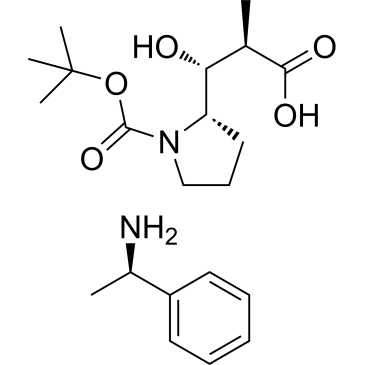
Because the -NH2 group isn’t bonded directly to the benzene ring (as it is in phenylamine), the diazonium ion formed from phenylethylamine is not stabilised by interaction with the aromatic π-system. Phenylethylamine is the hormone-like substance produced at the early stages of attraction that provokes the dizzy sensation some people feel when they’re falling in love. As we continue to unravel the mysteries of the brain, compounds like PEA remind us of the intricate and beautiful complexity of our neural chemistry. From the rush of new love to the focus needed to solve a challenging problem, PEA plays a role in many aspects of our mental and emotional lives. The potential therapeutic applications of PEA are still being explored, but they’re certainly intriguing.
What Use Is Phenylethylamine, Then?
Takahashi et al. 225,226,227,228,229,230 derived a small series of flexible 2-phenethylamines with analgesic activities, with moderate potency effects when compared with pentazocine or morphine (Figure 20a). Manchado et al. 231 developed quick asymmetric routes furnishing this type of derivative. Spetea et al. 232 developed selective diphenethylamine-based tertiary amines as κ-opioid receptors with 100-fold and 1000-fold selectivity difference compared with its congeners (Figure 20b).
Phenylethylamine Clinical Research
Phenylethylamine was first isolated and identified in 1910 by the Romanian chemist Lazăr Edeleanu. Since then, it has been the subject of numerous studies and has been investigated for its potential therapeutic applications. This section collects any data citations, data availability statements, or supplementary materials included in this article. Future directions will include both a complementary report covering synthetic strategies to access 2-phenethylamine derivatives and a second, satellite review of 2-heteroaryl-ethylamines in medicinal chemistry. Galectins are a family of soluble carbohydrate binding proteins with several roles in inflammation, immune response, autophagy or signaling.
Dopamine, Norepinephrine, And Acetylcholine: Key Neurotransmitters In Brain Function
Even still, experts are divided on whether or not the chemical remains in the body long enough after supplementation to have any real effect on the brain, which is as of yet unknown. Where it gets tricky is that there is a debate about whether or not it can cross the blood-brain barrier to make any of these effects useful, though, there is some weighty evidence in favor of it actually doing so. PEA has a nickname as the “love drug,” as it is found in chocolate and might even influence sex drive (thanks to the dopamine connection). In fact, some researchers surmise that a daily dose of Phenylethylamine, combined with some other antidepressants may reduce depression symptoms in more than half of all individuals who take it. As such, it is believed to play a role in depression and other psychiatric conditions. The current view is that supplementing with this compound could boost your attitude or have a highly stimulating effect.
The “Phenylalkylaminome” With A Focus On Selected Drugs Of Abuse*
The results showed that acute β-PEA administration significantly increased circling and head-twitching behaviors and produced drug-paired place preference in mice. In addition, the exposure to β-PEA induced a positive affective state in rats, and rats self-administered β-PEA under FR and PR schedules of reinforcement. In mechanistic studies, the administration of β-PEA significantly increased the DA concentration and TH and p-DAT protein expression in the dorsal striatum of mice. Finally, the pharmacological blockade of DAD1R with a DAD1R antagonist, SCH23390, significantly attenuated circling behavior in mice and β-PEA-taking behavior in rats.
Potential Substance Interactions With Phenylethylamine (PEA)
It has been suggested that PEA can increase levels of dopamine and norepinephrine in the brain, which are neurotransmitters that play a role in regulating mood and emotions. Research has shown that phenylethylamine may have potential as a treatment for depression, anxiety, and attention deficit hyperactivity disorder (ADHD). However, more studies are needed to fully understand its therapeutic effects and potential side effects. Phenylethylamine is a naturally occurring compound found in many foods, such as chocolate, cheese, and wine. It is also produced in the human body and is believed to play a role in regulating mood and behavior. If you’re someone who has been exploring the world of nootropics or supplements, then you may have come across phenylethylamine.
Nonetheless, PEA continues to be a popular ingredient in nutritional products, valued for its natural origin and potential to support mood and cognitive function in a safe and accessible manner for most healthy adults. A review of the literature indicates that brain phenylethylamine (PEA) may be a neuromodulator of aminergic synapses and that it promotes energy, elevates mood, and favors aggression. Phenylacetic acid, the main metabolite of PEA, is decreased in the biological fluids of depressed subjects and schizophrenic subjects and is increased in schizoaffective subjects. The administration of PEA or of its precursor L-phenylalanine improves mood in depressed patients treated with a selective monoamine oxidase B inhibitor. The authors speculate that studies of PEA metabolism may have diagnostic value and that PEA administration may be therapeutic in selected depressed patients. Later, working with Dr. Milt Teitler (Albany Medical College), we found a significant correlation between the stimulus generalization potency of various agents in DOM-trained animals and rat-brain homogenate 5-HT2 receptor affinity (see next section).
- Dissatisfied with the patient outcomes using only conventional treatments, he began treating his patients by addressing biological imbalances with lifestyle improvements, nutrition and nutraceuticals to get better outcomes.
- Limited studies have been developed on the use of modified 2-phenethylamines to target DBH.
- Tejler et al. 172 described the synthesis of lactose derivatives, such as 121 with the phenethylamine moiety by 1,3-dipolar cycloadditions, with selective galectin-1 inhibition (Figure 14).
- We recommend against phenethylamine supplements until their safety has been fully verified.
- Nonetheless, phenethylamine is a relatively common ingredient in sports supplements.
Furthermore, PEA has been found to have antioxidant properties, which means that it may be able to protect the body against damage caused by free radicals. This could potentially reduce the risk of chronic diseases such as cancer, heart disease, and Alzheimer’s disease. One of the most commonly reported benefits of PEA is its potential to enhance mood and feelings of well-being. Some users claim that it can reduce stress, anxiety, and depression, and promote a sense of euphoria.
Phenylethylamine (Pea) Capsules – Cognitive Function Support & Elevated Mood – 120 Count
Stimulus generalization was demonstrated to be time-dependent, with the phenolic compounds having a longer onset of action time (decreased ability of the agents to penetrate the BBB?). Both of these agents were potential candidates for further investigation. However, there was some concern that 2-DM-DOM and 5-DM-DOM might undergo further O-demethylation in vivo to a hydroquinone.
- From depression and ADHD to Parkinson’s disease and beyond, the therapeutic potential of PEA offers hope for those seeking alternative or complementary treatments.
- It converts it at a rate that is comparable to the production of dopamine.
- The N-methylated derivative of phenethylamine is N-methylphenethylamine.
- Phenylethylamine is the hormone-like substance produced at the early stages of attraction that provokes the dizzy sensation some people feel when they’re falling in love.
- You have to take it on trust that the author knows what they are talking about.
They have four members, named A1, A2A, A2B and A3, with well-reported activities in mediating inflammation, cardiovascular vasodilation or central and peripheral nervous system pathological responses 9,10,11,12. Examples of naturally occurring biologically active compounds displaying a 2-phenethylamine scaffold. Because there is such a dearth of knowledge about Phenylethylamine’s supplement effects and interaction, I’d advise against trying it out with a bunch of other compounds. At higher doses, it offers a more intense pleasurable sensation, along with the supposed cognitive effects. As mentioned, this is an endogenous amine that affects neurotransmitter activity in the brain. In human (and other mammalian bodies) the chemical is in short supply and metabolizes rapidly (with a half-life of about a half minute).