
Sections of the dark web are often closed down too, as part of police operations. DuckDuckGo is the default search engine inside the Tor browser, and once you turn on the Onionize toggle switch in the search box, you’re able to use it to find dark web links. These typically come with “.onion” after them, rather than something like “.com” as on the standard web. Open up Tor, and you won’t suddenly see the dark web staring back at you.
It helps detect compromised credentials, block fraudulent domains, and protect against phishing, brand impersonation, and cyber threats. If you don’t know the site’s exact URL, things can get a bit trickier because browsing the dark web isn’t as easy as browsing the surface web, although dedicated dark web search engines do exist. If you plan on using a dark web search engine, note that the search results may contain links to illegal websites.
Deep Web Vs Dark Web: What’s The Difference?
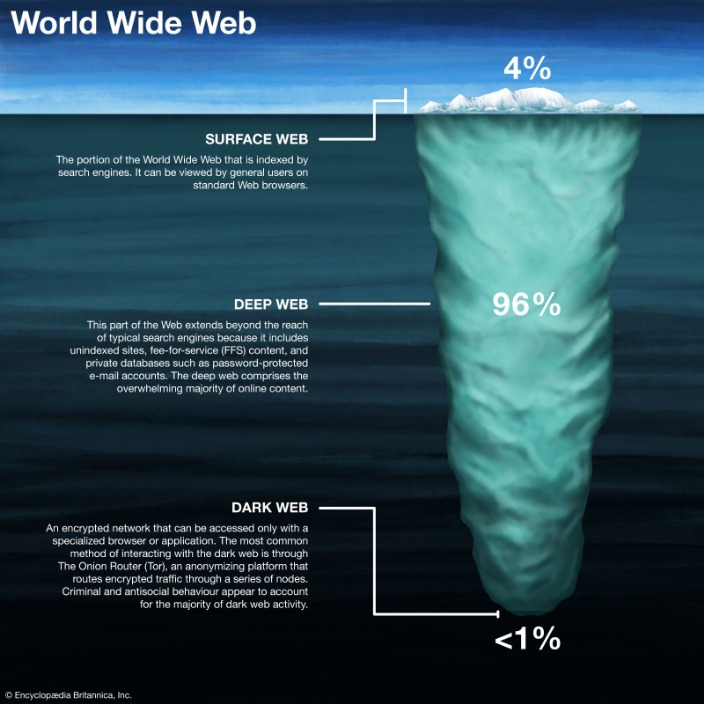
The Deep Web consists of all information on the World Wide Web which cannot be located by general-purpose search engines (Google, Yahoo, Bing etc.). There’s a large amount of information which even powerful engines such as these cannot find. While strong encryption, VPNs, proxy servers, and hidden web addresses can all contribute to a more anonymized experience, there is no singular system available that is completely private and secure.
Tips To Stay Safe When Using The Dark Web
- Now the “Dark Web” too is unindexed, and hence is a part of the deep web but it’s termed the “Dark web” because the content available over there isn’t only illegal, but also rare.
- Common items for sale include credit card data, credentials, and even fingerprints.
- Many news publications, like the ones listed above, have a SecureDrop on their .onion sites.
- Antimalware and antivirus protections are equally crucial to prevent malicious actors from exploiting you.
- And in the absence of an effective disguise, you can be summoned by your local authorities.
Even with Tor and onion routing in place though, you’re not suddenly completely invisible and free to do whatever you want, without repercussions. Certain details of your traffic can be intercepted at the entry and exit points of the node, by the people running those nodes, if they know what they’re doing and what they’re looking for. You’re also open to threats like end-to-end correlation attacks, so while Tor is a lot more secure and private, it’s by no means completely safe. As cyber threats evolve, having visibility into hidden layers of the internet is no longer optional—it is strategic. By combining security best practices with tools like search Deep Web engines, organizations can transform the Deep Web from a blind spot into a source of intelligence.
Protect Your Accounts With Strong Passwords

Darknet markets facilitate transactions for illegal goods and services. Silk Road was one of the first dark web marketplaces and it allowed users to trade multiple types of nefarious goods and services, including weapons and identity fraud resources. While many dark marketplaces have been shut down by authorities, new ones soon appear in their place. There are multiple search engines on the dark web that can help you find what you’re looking for. DuckDuckGo’s no-track dark web search service can be accessed in the Tor browser and is an excellent resource for information about the dark web. Other dark web search engines include Not Evil, Torch, Haystack, and Ahmia.

Ready To Explore The Deep Web Safely?
This makes Dark Web sites a rich source of threat intelligence for organizations; however, the design of the Dark Web can make this information difficult to find. Onion sites aren’t really dangerous, but they could be when accessed through unfamiliar or suspicious links. Blockchain even has an HTTPS security certificate for even better protection. Talking about copycats and potential risks, due to its high risk and low signal-to-noise ratio for legitimate content, we advise beginners and privacy-conscious users to avoid The Hidden Wiki.
Since crawlers can’t “see” behind logins, they can’t easily access our personal information, and thus our personal info can’t (or shouldn’t) appear in the results of a search engine like Google. As such, the dark web has attracted many parties who would otherwise be endangered by revealing their identities online. Abuse and persecution victims, whistleblowers, and political dissidents have been frequent users of these hidden sites. But of course, these benefits can be easily extended to those that want to act outside of the constraints of laws in other explicitly illegal ways.
Marketplaces For Everything Illegal
- As you are now familiar with the three different sections within the entire world wide web, let’s take a closer look at how you can access the dark web anonymously.
- You can use Tor to visit regular websites like Facebook and Twitter, but you can’t visit .onion websites on other browsers besides Tor.
- There are a number of services and tools available on the dark web, many of which can be used for nefarious purposes.
- Tor Browser already comes with HTTPS-Only mode, NoScript, and other patches to protect your privacy and security.
- Freenet was designed to allow peer-to-peer, anonymous communication to protect against censorship.
- Your ISP can’t see which websites you’re visiting on the dark web when you’re using Tor, but they might be able to predict or assume you are using Tor if they analyze your monitored internet traffic.
The deep web is the hidden and invisible part of the internet that lies behind the paywall. Purchases through links on our pages may yield affiliate revenue for us. We review and list tools and products without bias, regardless of potential commissions. This is an estimated reading time to let you know how long it will take you to read all the content on this particular PrivacySavvy.com page. However, it has a sneak peek, easy guide steps, and/or a quick list providing quick in-page navigations and easily-found answers if desired.
Is The Dark Web, Deep Web, And Dark Net All The Same?
It’s important to note that although the dark web has many valuable services, it is also a hangout for cybercriminals. Overall, Subgraph OS is a secure and privacy-focused operating system well-suited for high-risk environments. Additionally, you can opt for Subgraph OS as a second option to Tor. These sites aren’t just important resources; they’re like lifelines used to serve readers living under oppressive regimes.
Dark Web Links: The Best onion And Tor Sites In 2025
Unlike the surface web, where your every online move can be tracked and monitored, the Deep Web provides a sanctuary for those who value their digital privacy. If you’re concerned about the potential exposure of your business data on the dark web or want to strengthen your cybersecurity strategy, Cybernod is here to assist. Our advanced Dark Web Monitoring and Vulnerability Assessment services are designed to provide businesses with actionable insights into their security posture. Artificial intelligence will play a growing role in mining hidden data for insights—provided that privacy is respected. We may see the emergence of “smart Deep Web” systems that anticipate user needs, protect against fraud in real time, and offer personalized experiences with minimal data exposure.
Basically, any site with .onion extension is a site on the Tor network, and can be easily accessed with a Tor browser, although the site may or may not be illegal. So in a nutshell, the content which exists on the Internet, but can’t be accessed via Search Engines, or requires special permission is deep web content. It’s vital to have safety measures set in place before you visit the deep web. From there, ensuring that your browser is up to date and setting up the best antivirus you can find is another must. Having access to efficient malware removal software is also a good idea. Whether accessing those darker parts of the deep web is illegal or not depends on the country you live in.
Bobby Search
Deep web, a part of the Internet that extends beyond the reach of search engines such as Google, Yahoo! The term “deep web” was coined in 2001 by computer scientist Michael K. Bergman, who differentiated it from the “surface web,” where openly viewable and retrievable content resides. The deep web is also known as the “invisible web” or “hidden web,” but it should not be confused with the “dark web,” where encrypted content with hidden IP addresses resides. Called “dark” because it is accessible with anonymity and only through certain networks and software such as Tor, this part of the Internet represents a small fraction of the overall Web. The deep web search engine operates on the same infrastructure as the surface web but consists of content not indexed by conventional search engines. This includes dynamically generated content, private databases, password-protected sites, and content requiring specific permissions or protocols.
If you can’t think of a strong password, consider using a password generator. Google and other companies can also help you generate strong passwords when you sign up on a website and store them in your profile. Anytime you visit that website again and need to log in, Google will pull that password from your list of passwords and auto-insert it. Earlier, we explained that the deep web is 400 times bigger than the surface web, but most people may not understand how big that is. The world’s most popular search engine, Google, has over 50 billion web pages in its index.